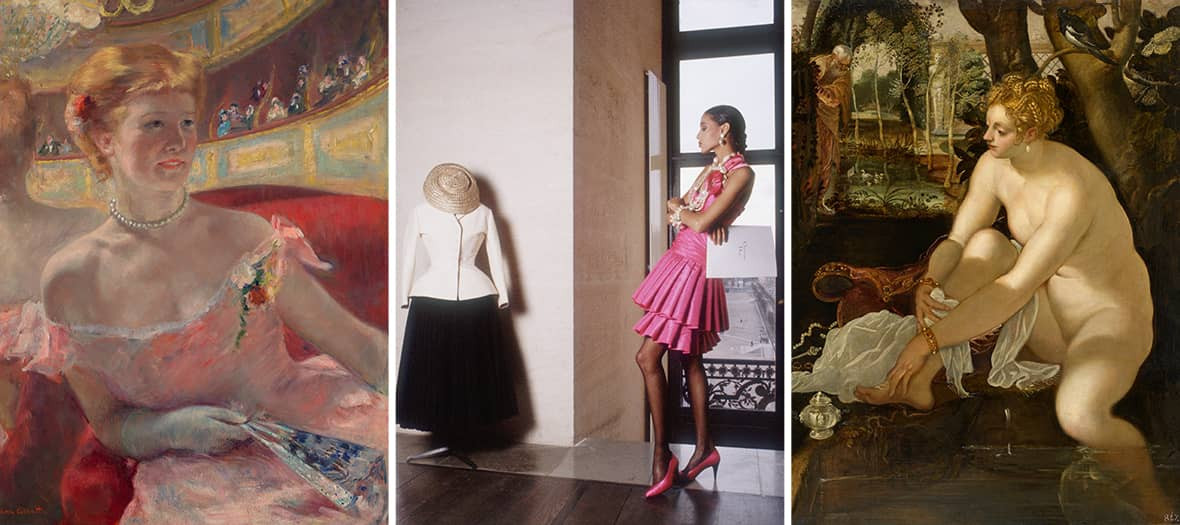




© Musei Civici di Vicenza - Museo Civico di Palazzo Chiericati © Musée Jacquemart-André © KHM-Museumsverband
Art lovers looking for an enticing idea for next weekend are in luck: the Musée Jacquemart-André has just unveiled its brand-new exhibition dedicated to one of the great masters of Italian Mannerism: Jacopo Robusti, known as Tintoretto (1518–1594). From September 11, 2026 to January 24, 2027, Eternal Tintoretto brings together around forty works spread across eight galleries, looking back at his 60 – long – years of artistic career. What is less widely known is that this 16th-century Venetian genius had a major influence on some of the future great names of modern painting, from Delacroix to Manet and Cézanne.
Venice’s original influencer
“Tintoretto”. The nickname, a reference to his father’s profession as a dyer, belonged to the enfant terrible of 16th-century Venetian painting. Considered far too ahead of his time by his contemporaries, Tintoretto left his mark on art history with a remarkably modern style. His nudes, portraits and monumental religious scenes showcase his extraordinary talent, but look closely at his canvases and it is his astonishingly light touch that immediately catches the eye. Particularly distinctive among his contemporaries Titian and Veronese, his use of glazing, his play with transparency and light in works such as The Miracle of Saint Augustine and The Creation of the Animals make Tintoretto an essential figure in the grand narrative of art history.
The colorful swirling backgrounds bring Van Gogh to mind, the dense, vibrant brushstrokes evoke Impressionism, while the boldly colored drapery recalls the works of Delacroix. No surprise, then: Tintoretto proved to be an endless source of inspiration for generations of artists, particularly 19th-century avant-garde painters. Manet’s famous reproduction of Tintoretto’s self-portrait is testament to the Venetian master’s role as a trailblazer for an entire generation of painters. Fun fact: even David Bowie was a Tintoretto fan! In 1993, he bought Saint Catherine of Alexandria and an Angel and even went so far as to name one of his record labels Tintoretto Music. In 16th-century Venice, 19th-century France and 1990s London, Tintoretto has established himself as THE name to drop in cultured company — and this thoroughly fascinating exhibition reveals why.
From September 11, 2026 to January 24, 2027. Open daily from 10 a.m. to 6 p.m.
© private collection. All rights reserved. © GrandPalaisRmn (musée du Louvre) / Michèle Bellot © Gabinetto Fotografico delle Gallerie degli Uffizi
And afterwards?
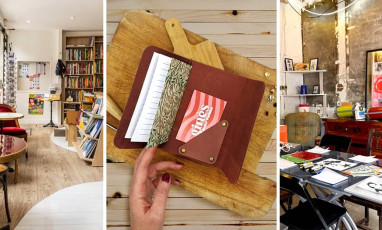
Before or after the Baroque Splendors exhibition, slip into the courtyard and turn right for a tea time at Nélie, the charming tea room and restaurant with a wonderfully old-fashioned feel, set in a grandiose décor worthy of Marie Antoinette. Each exhibition is an opportunity to refresh the menu and adapt it to the latest cultural theme. Think of it as intellectual finger food!
And what about tea time? It’s hard to choose from the selection of teas (€6.20), served in a teapot with a tempting range of flavors. Try La Courtisane, a delicious green tea scented with blueberry, vanilla and clementine, sprinkled with orange peel and rose petals, or the equally tempting Earl Grey, the oldest of the teas, with its distinctive bergamot notes. As for the sweet treats, it’s a feast! Choose between French pastry classics such as the raspberry macaron, chocolate cake and mille-feuille (€12.90). For savory cravings, a delicious quiche (€19.50) or one of the beautifully composed salads (from €16.70) will do the trick.
Open Monday to Thursday from 9:30 a.m. to 6 p.m., Friday from 9:30 a.m. to 10 p.m. and weekends from 11 a.m. to 7 p.m.
© Culturespace
Discover also Versace sets the Musée Maillol ablaze